Blog

Your blog category

Blog

Benefits of Digital Marketing in 2026

Benefits of Digital Marketing in 2026 Top Benefits of Digital Marketing in 2026 for Businesses Benefits of Digital Marketing in 2026 As we look ahead to 2026, staying ahead in the digital marketing landscape is more crucial than ever. The rapid evolution of technology and consumer behavior demands that businesses adapt swiftly to remain competitive. This blog will help you grasp the key digital marketing trends that are set to redefine the industry. From the rise of AI-driven personalization to immersive experiences powered by augmented reality, these trends are not just buzzwords—they represent actionable strategies that can drive growth and engagement. Embracing these innovations will enable marketers to connect with their audiences more effectively, optimize campaigns with precision, and deliver content that resonates on a deeper level. By understanding and integrating these emerging trends into your marketing efforts, you position your brand at the forefront of innovation. Don’t let your business fall behind—use this blog as your guide to navigating the dynamic world of digital marketing in 2026 and beyond. How Personalization and AI Enhance Customer Experience in Digital Marketing In today’s competitive digital landscape, personalization powered by AI is revolutionizing the way businesses connect with their customers. By leveraging advanced algorithms and data analytics, AI enables marketers to deliver highly tailored content and offers that resonate deeply with individual preferences. This level of personalization not only captures attention but also builds trust and loyalty, driving higher engagement and conversion rates. AI-driven tools analyze customer behavior in real time, allowing brands to anticipate needs and provide relevant recommendations seamlessly. From personalized emails to dynamic website content, the integration of AI ensures every interaction feels unique and meaningful. For digital marketers looking to stay ahead, embracing personalization through AI is no longer optional—it’s essential for creating exceptional customer experiences that foster long-term relationships. Incorporating these insights into your blog can demonstrate your brand’s commitment to innovation while educating your audience on the transformative power of AI in digital marketing. The future belongs to those who personalize intelligently—and AI is the key to unlocking that potential. The Role of Social Media and Influencer Marketing in 2026’s Digital Landscape In 2026, social media platforms like Instagram and TikTok have become powerful ecosystems for discovery, engagement, and sales. Users can explore products and make purchases directly within apps, driving the growth of social commerce. Influencer marketing now focuses on micro and nano influencers, who build stronger trust with niche audiences. Their authentic content performs better than traditional ads. With AI-driven personalization and short-form video dominating, brands must focus on creative, genuine, and engaging content to build lasting relationships and drive conversions in the evolving digital landscape.   Measuring Success: Key Metrics to Track for Digital Marketing Effectiveness in 2026 n 2026, measuring digital marketing success goes beyond basic metrics like clicks and impressions. Marketers now focus on conversion rate, customer lifetime value (CLV), and return on investment (ROI) to understand real business impact. Engagement metrics such as watch time, shares, and interactions are crucial, especially for short-form video content on platforms like Instagram and YouTube. Additionally, tracking customer journey data, retention rate, and personalization performance helps optimize campaigns. Using AI-driven analytics, businesses can make data-backed decisions and continuously improve marketing effectiveness.Influencer marketing has evolved significantly, shifting from celebrity endorsements to more relatable and niche-focused collaborations. Micro and nano influencers, who typically have smaller but highly engaged audiences, are now at the forefront of successful campaigns. These influencers bring credibility, trust, and a sense of community that larger influencers often lack. Their recommendations feel more genuine, which directly influences purchasing decisions. In 2026, audiences are more skeptical of traditional advertising, so authenticity and transparency have become critical factors in campaign success. Brands are increasingly focusing on long-term partnerships with influencers rather than one-off promotions, allowing for deeper storytelling and stronger brand alignment. Artificial intelligence and data analytics have further enhanced the effectiveness of social media and influencer marketing. AI tools can now analyze audience behavior, predict trends, and recommend the best content formats, posting times, and influencer partnerships. This data-driven approach allows marketers to optimize campaigns in real time, ensuring maximum reach and engagement. Personalization has also reached new heights, with brands delivering tailored content experiences based on user preferences, browsing history, and interaction patterns. As a result, marketing efforts feel more relevant and less intrusive, improving overall user experience. Another key aspect of social media in 2026 is the rise of short-form video and interactive content. Formats like reels, stories, and live streaming dominate user attention, encouraging brands to adopt more creative and visually engaging strategies. Live commerce, where products are showcased and sold during live streams, has gained massive popularity, blending entertainment with instant purchasing opportunities. Influencers play a crucial role in this space by demonstrating products, answering questions in real time, and building trust with viewers. User-generated content (UGC) has also become a powerful tool for brands. Encouraging customers to share their experiences, reviews, and testimonials not only boosts credibility but also creates a sense of community around the brand. Social proof, in the form of likes, comments, and shares, significantly impacts consumer decisions, making engagement metrics more valuable than ever. Furthermore, social media platforms have integrated advanced shopping features, allowing users to discover and purchase products without leaving the app. This seamless shopping experience shortens the customer journey and increases conversion rates. Influencers often act as the bridge between discovery and purchase, guiding their audience through the decision-making process. In conclusion, the role of social media and influencer marketing in 2026 goes far beyond traditional promotion. It is about building trust, fostering community, and delivering personalized, engaging experiences. Brands that embrace authenticity, leverage data-driven insights, and adapt to evolving content trends will be best positioned to succeed in this highly competitive digital landscape. Conclusion: Embrace the Benefits of Digital Marketing Now to Stay Ahead in 2026 and Beyond Digital marketing in 2026 is driven by innovation, personalization, and data-driven strategies. Businesses that adapt to trends like AI, social commerce, and


Blog

Which job role in digital marketing pays the most?

Introduction Audience  refers to the process of identifying and reaching a specific group of people who are most likely to be interested in a brand’s products or services. This strategy involves using demographic, behavioral, and psychographic data to create targeted marketing campaigns. It is an essential aspect of brand awareness and ROI as it helps businesses to reach the right audience and convert them into loyal customers. According to a study by BIA/Kelsey, companies using audience targeting in their marketing efforts saw a 66% increase in ROI compared to those who didn’t. This is because audience targeting allows businesses to focus their resources and efforts on those who are most likely to engage with their brand, resulting in higher conversion rates and increased brand awareness. What is Audience Targeting? Audience targeting refers to the strategic process of identifying and reaching a specific group of people who are most likely to be interested in a brand’s products or services. It involves gathering data on demographics, interests, behaviors, and preferences to create targeted marketing campaigns. The goal is to maximize brand awareness and return on investment by delivering tailored messages to the right audience. By understanding who the ideal customers are, businesses can create more relevant and personalized content, increasing the chances of engagement and conversion. Effective audience targeting can lead to higher customer satisfaction, brand loyalty, and overall business success. Why is Audience Targeting Important for Brand Awareness and ROI? Audiance  is essential for building brand awareness and achieving a return on investment (ROI). By identifying and understanding your target audience, you can customize your marketing efforts to reach the right people at the right time. This leads to more effective communication, increased brand visibility, and higher conversion rates. Audience targeting allows you to deliver personalized messages and offers that are relevant and resonate with your target market. It also helps optimize your marketing budget by focusing resources on the most promising segments. Overall, audience targeting is a strategic approach to maximize brand exposure, engage potential customers, and achieve measurable returns on investment. How to Identify Your Target Audience? In order to successfully promote your brand and achieve a high return on investment, it is crucial to identify and target the right audience. But how exactly can you determine who your target audience is? In this section, we will discuss various methods to identify your target audience, including conducting market research, analyzing your current customer base, using social media insights, and utilizing Google Analytics. By the end, you will have a clear understanding of how to effectively reach and engage with your ideal audience. 1. Conduct Market Research Engaging in market research is an essential phase for recognizing and comprehending your target audience. To assist you in this process, here are some steps to follow: Define your research objectives and questions. Collect data through surveys, interviews, or focus groups. Examine the gathered data to discern patterns and trends. Segment your audience according to their demographics, interests, and behaviors. Use market research tools and platforms to gather insights on consumer preferences and trends. Apply the findings to refine your marketing strategies and tailor your messaging to resonate with your target audience. 2. Use Social Media Insights Using social media insights can provide valuable data for identifying and targeting your audience. Here are steps to utilize social media insights effectively: Monitor engagement: Track metrics like likes, comments, and shares to gauge audience interest. Analyze demographics: Use social media analytics tools to understand the age, gender, and location of your followers. Identify interests: Examine the topics and content your audience engages with to uncover their interests and preferences. Track behavior: Look at patterns in how your audience interacts with your content and make adjustments accordingly. Explore competitors: Analyze your competitors’ social media presence and audience to gain insights into your target market. 3. Utilize Google Analytics To effectively use Google Analytics for audience targeting, follow these steps: Set up Google Analytics for your website or app. Explore the Audience section to gain insights into your users’ demographics, interests, and behavior. Use the Acquisition section to understand where your audience is coming from and which channels are driving the most traffic. Utilize the Behavior section to analyze how your audience interacts with your website or app, identifying popular pages and drop-off points. Create custom segments based on specific criteria to further refine your target audience. What Factors Should Be Considered When Targeting Your Audience? In the realm of marketing and brand awareness, grasping and reaching your intended audience is paramount. However, the multitude of considerations can make it daunting to commence. In this section, we will delve into the numerous factors to be mindful of when targeting your audience. Ranging from demographic details to interests and purchasing behaviors, we’ll deconstruct the essential elements that will enable you to connect with your ideal audience and attain a substantial return on investment.  1. Demographics Conduct market research to gather data on your target audience’s age, gender, income, education, and other relevant demographic factors. Analyze your current customer base to identify patterns and demographics of your existing customers. Use social media insights to gain information about your target audience’s demographics, interests, and behaviors. Utilize Google Analytics to track and analyze website visitor demographics, including age, gender, and location. 2. Interests and Hobbies To effectively target your audience and boost brand awareness and return on investment (ROI), it is essential to consider their interests and hobbies. Understanding what motivates and engages your audience allows you to tailor your messaging and content to resonate with them. Conduct market research and analyze your current customer base to gain insights into their preferences. Use social media and Google Analytics to collect data on their online behavior. By incorporating this information into your audience targeting strategy, you can create compelling content and deliver it through the right platforms to capture their attention and achieve desired outcomes. 3. Behavior and Buying Habits When targeting your audience for brand awareness and return on investment (ROI),

Blog

How to become a freelance digital marketer

Introduction Freelance refers to the practice of offering digital marketing services on a contract basis. It involves working independently for various clients rather than being employed by a single company. Freelancers in this field provide expertise in areas such as social media marketing, search engine optimisation, content creation, and online advertising. They help businesses build their online presence, reach their target audience, and achieve their marketing goals. As a freelance digital marketer, you have the flexibility to choose your clients, set your rates, and work remotely. This career path offers the opportunity to gain diverse experiences and cultivate a strong professional network. Why Choose Freelance Digital Marketing? As the demand for digital marketing continues to rise, more and more professionals are turning to freelancing as a viable career option. But what exactly makes freelance digital marketing an attractive choice? In this section, we will discuss the various benefits of choosing freelance digital marketing as a career, including the flexibility and work-life balance it offers, the potential for higher earnings and the opportunity to work with a diverse range of clients and projects. 1. Flexibility and Work-Life Balance Freelance digital marketing offers flexibility and work-life balance, allowing professionals to have control over their schedules and prioritize personal commitments. This arrangement enables individuals to work from anywhere and choose projects that align with their interests and values.   With the freedom to set their own hours, freelancers can achieve a better work-life balance, dedicating time to family, hobbies and self-care. Moreover, they can avoid the stress of commuting and office politics, enhancing their overall quality of life. Overall, flexibility and work-life balance are key advantages of pursuing a career in freelance digital marketing. 2. Higher Earning Potential Freelance digital marketing offers the potential for higher earnings compared to traditional employment. This is due to several factors. Firstly, as a freelancer, you have the flexibility to set your rates and negotiate higher fees for your services. Secondly, by diversifying your clientele and taking on multiple projects, you can increase your income streams.   Finally, as you gain experience and expertise in the field, your value as a digital marketer increases, allowing you to command higher rates. It’s important to research industry standards and consider your experience when setting your rates to ensure you are maximizing your earning potential. 3. Diverse Clientele and Projects Freelance digital marketing offers the advantage of working with diverse clientele and projects, allowing for growth and variety in your career. By working with different clients, you gain exposure to various industries and marketing strategies, enhancing your skills and knowledge.   You may work with small startups, established businesses, or even international brands, giving you the opportunity to adapt your marketing strategies to different target audiences. The range of projects can include website development, social media management, content creation, and more. This diversity keeps your work exciting and challenges you to continuously learn and improve your skills. What are the essential skills required to pursue a career as a freelance digital marketer? As the demand for digital marketing continues to grow, more and more professionals are turning to freelance work in this field. But what exactly does it take to become a successful freelance digital marketer? In this section, we will discuss the essential skills you need to possess in order to thrive in this competitive industry. From digital marketing knowledge and experience to self-discipline and communication skills, we will cover all the key aspects that can make or break your freelance digital marketing career. 1. Digital Marketing Knowledge and Experience Digital marketing knowledge and experience are vital for being a successful freelance digital marketer. It is important to understand various digital marketing strategies such as SEO, social media marketing, and content marketing. Furthermore, having practical experience with tools and platforms like Google Ads and Analytics is crucial. Clients will expect you to demonstrate your expertise in these areas when presenting your services.   Keeping up with industry trends and continuously learning new skills will also help you remain competitive in the digital marketing field. In general, a strong foundation of digital marketing knowledge and experience is essential for thriving as a freelance digital marketer. 2. Self-discipline and Time Management Effective self-discipline and time management are essential for success as a freelance digital marketer. Here are some steps to enhance these skills: Create a schedule: Plan your workdays and allocate specific time slots for different tasks. Set priorities: Identify important tasks and focus on them first to ensure timely completion. Avoid distractions: Minimize interruptions by setting boundaries, turning off notifications, and working in a dedicated workspace. Break tasks into smaller chunks: Divide large projects into smaller, manageable tasks in order to stay organized and motivated. Use productivity tools: Make use of digital tools such as project management software, time trackers, and productivity apps to stay on track. Take breaks: Incorporate short breaks throughout the day to recharge and maintain productivity. 3. Communication and Networking Skills Effective communication and networking skills are essential for success as a freelance digital marketer. Build strong communication skills: Enhance your written and verbal communication abilities to effectively convey ideas, collaborate with clients, and build relationships. Develop active listening skills: Actively listen to client needs and concerns, and respond appropriately to build trust and understanding. Cultivate relationship-building skills: Develop rapport with clients, colleagues, and industry professionals through networking events, social media platforms, and online communities. Stay updated with industry trends: Engage in industry-related conversations, attend webinars, and participate in professional development courses to stay current with digital marketing trends and advancements. Utilize social media platforms: Build an online presence on platforms like LinkedIn, Twitter, and Facebook to connect with potential clients and showcase your expertise. What steps should one take to begin a career as a freelance digital marketer? Are you interested in becoming a freelance digital marketer? The world of digital marketing offers endless opportunities for those with the skills and passion for it. But where do you start? In this section, we will discuss the key

Blog

How to use social media marketing for brand awareness

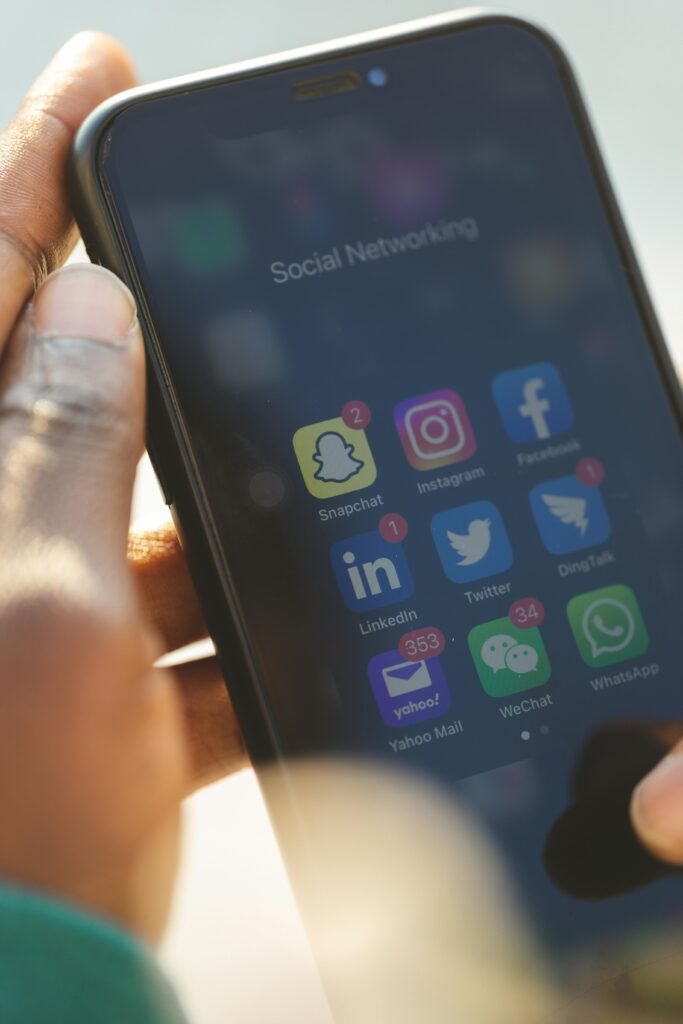
Introduction Brand awareness can be defined as the level of recognition and familiarity that a target audience has with a particular brand. In today’s competitive market, it is crucial for businesses to establish and maintain a strong brand awareness in order to stand out and attract potential customers. Traditional methods of advertising and marketing can be expensive and may not always reach the desired audience. This is where social media comes in as a powerful tool for increasing brand awareness. Social media platforms provide businesses with an opportunity to connect with a vast audience, engage with them, and create a strong brand presence. According to a study by Hootsuite, 3.96 billion people around the world use social media, making it an ideal place for businesses to raise brand awareness. What is Brand Awareness? Brand awareness refers to the degree to which consumers are able to recognize and recall a specific brand. It represents the level of familiarity and association that consumers have with a brand. Brand awareness is crucial for businesses as it aids in establishing trust, credibility, and customer loyalty. It is accomplished through effective marketing strategies, including social media campaigns. By utilizing social media platforms, businesses can reach a wider audience, interact with their target market and establish a strong brand presence. Social media enables businesses to share their brand story, values and unique selling propositions, thus enhancing brand awareness and visibility. Why is Brand Awareness Important? Brand awareness is of utmost importance to businesses as it helps to establish recognition and credibility, ultimately leading to increased trust and loyalty from customers. When people are aware of your brand, they are more likely to show interest in your products or services. This can result in higher sales and market share. Furthermore, brand awareness promotes word-of-mouth marketing, as satisfied customers recommend your brand to others. By effectively utilizing social media platforms, businesses can reach a broader audience and develop brand awareness through engaging content, social sharing and partnerships with influencers. Ultimately, this can lead to long-term success and growth for the brand. How Can Social Media Help with Brand Awareness? In today’s digital world, social media plays a crucial role in building brand awareness. By using different social media platforms, businesses can effectively reach a larger audience and interact with their customers in a more personal way. Moreover, social media allows the creation of a distinct brand personality, which can help establish a unique identity and attract potential customers. In this section, we will explore the different ways in which social media can help boost brand awareness, such as reaching a wider audience, engaging with customers, creating a brand personality and using influencers. 1. Reach a Wider Audience Reaching a wider audience is crucial for brand awareness, and social media platforms offer effective strategies to achieve this goal. Create engaging and shareable content to attract attention from new users. Enhance the visibility of your posts by incorporating pertinent hashtags and keywords. Collaborate with influencers or industry experts who have a large following to expand your reach. Execute targeted advertising campaigns to reach distinct demographics or interest groups. Participate in industry-related discussions and engage with users to build relationships and expand your network. 2. Engage with Customers Engaging with customers is a vital aspect of creating brand awareness through social media. Here are a few steps to effectively connect with your audience: Address comments and messages in a timely and professional manner. Create interactive content such as polls, quizzes and contests to encourage participation. Share user-generated content to showcase and appreciate your customers. Ask for feedback and suggestions to involve your audience in shaping your brand. 3. Create a Brand Persona Creating a brand persona is crucial for effective brand awareness on social media. Here are the steps to follow: Identify your target audience and determine their demographics, interests and preferences. Create a brand personality that aligns with your target audience, including tone of voice, values and messaging style. Develop consistent visual elements, such as a logo, color palette and font, to represent your brand. Craft compelling and relatable storytelling that reflects your brand’s values and resonates with your audience. Engage with your audience by responding to comments, messages and reviews in a consistent and authentic manner. 4. Utilize Influencers Utilizing influencers is an effective strategy to increase brand awareness and reach a wider audience on social media platforms. Recognize influencers pertinent to your industry or niche. Research and evaluate their engagement rates, authenticity, and alignment with your brand values. Collaborate with influencers by offering free products, exclusive discounts, or sponsored content. Encourage influencers to create compelling and authentic content that showcases your brand. Share the content created by influencers on your social media channels to promote it. Monitor the performance and engagement of the influencer campaigns using analytics tools. Engage with the influencer’s audience by responding to comments and messages. Build long-term relationships with influencers for ongoing brand collaborations. What are the Best Social Media Platforms for Brand Awareness? In today’s digital age, social media has become a vital tool for businesses to increase brand recognition and connect with potential customers. However, with the numerous social media platforms available, it can be challenging to determine which ones are the most suitable for your brand. In this section, we will explore the top four social media platforms for enhancing brand awareness: Facebook, Instagram, Twitter, and LinkedIn. Each platform provides distinctive features and advantages that can enhance your brand’s online visibility. 1. Facebook When it comes to using Facebook for brand awareness, there are several steps you can take to maximize your impact: Establish a professional business page that authentically represents your brand. Consistently share compelling and pertinent content to maintain your audience’s interest. Use targeted advertising to reach a wider audience and increase brand visibility. Interact with your audience by responding to comments, messages and reviews. By following these steps, you can effectively leverage Facebook to raise brand awareness and connect with your target audience. 2. Instagram Instagram is a

Scroll to Top